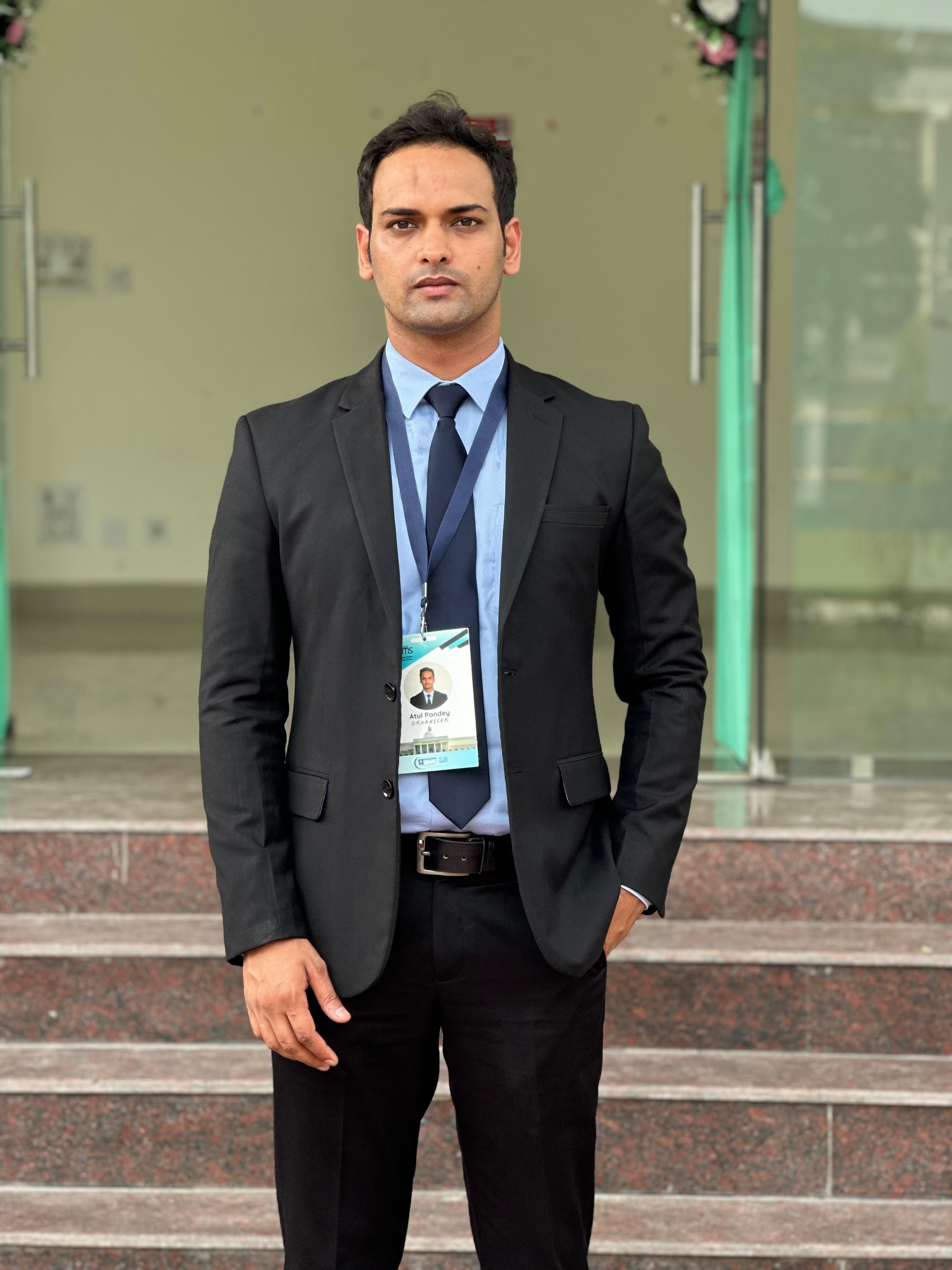


My experience volunteering as a Junior Coordinator for the HULT Prize event at the Indian Institute of Technology, Roorkee was both challenging and incredibly rewarding. Serving in this capacity required a combination of strategic planning, team coordination, and detailed event management over an intensive two-month period. This role involved managing multiple responsibilities, from setting up the structure for the competition rounds to facilitating communication among participants and coordinating logistics. As a Junior Coordinator, I was part of a dedicated team that worked hard to ensure the event’s smooth execution, which included three distinct rounds and more than ten participating teams. This opportunity provided me with invaluable insights into event management, leadership, and the collaborative spirit essential for successfully organizing large-scale initiatives.
At the outset, my role involved helping to plan the three-round structure of the event and making sure that each phase was carefully organized to provide a fair and engaging experience for all participants. The initial planning phase was crucial because we had to determine the format and criteria for each round, taking into consideration the different skill levels and areas of expertise of the teams involved. As a Junior Coordinator, I worked closely with the core organizing team to establish clear guidelines and rules for each round, ensuring that participants had a solid understanding of what was expected from them at each stage. This groundwork was vital in creating a competition that was not only challenging but also rewarding for all involved.
A significant part of my responsibilities was to facilitate communication and coordination among the ten teams participating in the event. Managing communication channels was essential, as clear and consistent messaging helped maintain the pace and energy of the competition. I frequently communicated with team leaders to keep them updated on upcoming deadlines, deliverable formats, and any changes in the schedule. Given that the event spanned over two months, I learned the importance of maintaining continuous engagement with participants to keep their enthusiasm high. This experience strengthened my organizational skills and taught me how to handle multiple communication channels effectively, ensuring that all teams had the information they needed to succeed.
The first round of the event focused on gauging the participants’ understanding of the HULT Prize’s mission and objectives. The HULT Prize is known for encouraging young people to create sustainable and scalable social enterprises, and our goal for the first round was to identify teams with innovative ideas that aligned with these principles. As Junior Coordinator, I was responsible for overseeing the smooth execution of this round, which included coordinating with judges, managing the submissions, and assisting with the evaluation process. This required a meticulous approach to ensure that all submissions were properly reviewed and scored. In addition to handling logistical details, I interacted with the participants to answer their questions, clarify the rules, and provide support. This process highlighted the importance of patience and clarity when dealing with a diverse group of participants, each of whom brought unique perspectives and ideas to the competition.
After the first round, we moved into the second round, where the competition intensified as teams presented more developed versions of their social enterprise ideas. This stage required participants to delve deeper into their business models and strategies, showcasing not only their innovative ideas but also their ability to implement them in real-world scenarios. As a Junior Coordinator, my role expanded in this round. I worked closely with the teams, guiding them through the feedback they had received from the judges in the first round. Helping the teams refine their ideas and address any gaps in their business models was both challenging and rewarding. I found that maintaining a balance between providing constructive feedback and encouraging the teams to maintain their unique visions was essential. This experience reinforced my communication and leadership skills, teaching me the importance of diplomacy and encouragement in a supportive role.
The final round was the culmination of all our efforts, as the top teams competed to present their final pitches to a panel of judges. This stage involved intense preparation on my part as well as on the part of the participants. In the days leading up to the final event, I assisted in coordinating practice sessions, where teams could refine their presentations and receive additional feedback. This was perhaps the most demanding phase of the event, as we needed to ensure that everything—from the presentation setup to the judging criteria—was perfectly aligned to create a fair and professional environment for the participants. My responsibilities included managing the timing and flow of the presentations, coordinating with the technical team to ensure that all audio-visual needs were met, and working closely with the judges to facilitate a smooth scoring process.
One of the key challenges I encountered in the final round was handling last-minute technical issues and unexpected schedule changes. Despite meticulous planning, some situations required quick thinking and problem-solving on the spot. These experiences taught me the importance of remaining calm and adaptable in high-pressure situations. I also learned how to prioritize tasks and delegate responsibilities effectively, working with other team members to resolve issues promptly. The ability to troubleshoot on the go was an invaluable skill I developed during this stage of the event, which has since proven useful in other aspects of my life.
Throughout the event, I had the privilege of working with an incredibly talented and dedicated organizing team. As a Junior Coordinator, I was able to observe and learn from my senior coordinators, whose experience and guidance were instrumental in the event’s success. The collaborative environment fostered a sense of shared responsibility and encouraged us to support one another in our roles. I was able to contribute my own ideas and suggestions, and seeing them implemented in the event’s planning and execution was highly motivating. This teamwork taught me the importance of open communication, respect, and trust in achieving common goals. The camaraderie among the team members made even the most challenging moments feel manageable, and it was this spirit of collaboration that helped us successfully complete the event.
One of the most rewarding aspects of this experience was seeing the positive impact the competition had on the participants. Many teams expressed their appreciation for the feedback they received and the opportunity to refine their ideas in a competitive yet supportive environment. Witnessing the growth and development of each team as they progressed through the rounds was incredibly fulfilling. It reinforced the value of creating platforms for young innovators to test and refine their ideas, helping them gain the confidence to pursue their visions. Knowing that I played a part in facilitating this growth was a deeply satisfying aspect of my role as Junior Coordinator.
In addition to the practical skills I gained, my time volunteering for the HULT Prize event provided me with a broader perspective on social innovation and entrepreneurship. Working with participants who were passionate about creating positive social impact inspired me to think more critically about the role of business and innovation in addressing global challenges. This experience sparked my own interest in social entrepreneurship and strengthened my resolve to contribute to projects and initiatives that aim to make a difference.
Reflecting on my time as Junior Coordinator, I am grateful for the opportunities for personal and professional growth that this role provided. The experience allowed me to build essential skills in event management, communication, leadership, and problem-solving. Each round of the competition presented unique challenges, and overcoming these challenges taught me the importance of resilience, adaptability, and attention to detail. More importantly, it was an opportunity to contribute to a cause that resonated with my own values and aspirations. Working to support and inspire others in their journey toward social impact was both an honor and a privilege, and I am thankful to have had the chance to be part of such a meaningful event.
My volunteer experience with the HULT Prize at IIT Roorkee has left a lasting impression on me. It has strengthened my commitment to social causes and inspired me to continue seeking opportunities to make a positive difference in the world. I am confident that the skills, experiences, and memories I gained from this role will guide me in future endeavors, both personally and professionally. This role was not just an experience in event management; it was a journey of learning, growth, and contribution to a cause larger than myself.
My role as a Manager with the Industry & Academia Relations Cell (IARC) at the Department of Management Studies (DoMS), Indian Institute of Technology, Roorkee, was a defining experience that allowed me to bridge the gap between academia and industry. The mission of the IARC is to foster connections with industry leaders, engage with academia, and create opportunities for students to gain real-world insights. As a volunteer manager, my work spanned planning and executing large-scale events, such as HR Conclave Pragati:1.0 and the annual business conclave Avenir (both in 2024 and 2025), establishing and nurturing industry partnerships, and organizing workshops and guest lectures for the student body. Each responsibility was an opportunity to enhance my skills in event management, relationship-building, and strategic planning, while contributing significantly to the professional development and networking opportunities for my peers.
Planning Pragati:1.0, our flagship HR Conclave, was a transformative experience. The vision for Pragati:1.0 was to create a platform where students could engage directly with top HR leaders, gain insights into industry trends, and better understand the evolving dynamics of human resources. As Manager, I was tasked with coordinating every aspect of the event, from inviting speakers to managing logistics and publicity. Onboarding 10 prominent industry experts for this event was a rigorous process, requiring careful curation of speakers who would bring diverse perspectives. Each invited guest brought expertise from various industries, allowing students to understand different facets of HR, from talent acquisition to employee experience and diversity initiatives. This process of connecting with industry experts taught me the art of networking and cold outreach, where persistence and professionalism were key. I worked closely with my team to develop personalized invitations, showcasing the value that our audience—over 500 enthusiastic students—would derive from the event.
The event day itself was a culmination of weeks of planning and coordination. Ensuring that everything ran smoothly required close attention to detail, from setting up the venue to ensuring all technical aspects were functional. Managing a footfall of over 500 attendees was a logistical challenge that required careful crowd management, as well as a clear division of responsibilities among volunteers. I supervised my team and acted as a point of contact for our speakers, ensuring they felt welcomed and well-supported. The event was not only a success in terms of attendance but also in the positive feedback received from both students and speakers. For me, Pragati:1.0 highlighted the importance of effective teamwork, as every individual’s contribution was crucial to the event’s success. The experience strengthened my organizational skills and gave me confidence in my ability to handle complex event logistics and large-scale audience management.
In addition to Pragati, I was instrumental in organizing the Annual Business Conclave, Avenir, in both 2024 and 2025. Avenir was designed to serve as a premier networking and industry-insights platform, where students could engage with industry veterans and thought leaders. The goal was to expose students to the latest industry trends, foster discussions on emerging challenges, and encourage them to explore career paths across diverse sectors. As a Manager for this event, my role expanded from planning to hands-on execution. I was responsible for coordinating speaker sessions, panel discussions, and breakout networking events to create a holistic experience for participants. By facilitating conversations between students, faculty, and industry experts, Avenir provided a forum for learning, engagement, and career exploration.
The 2024 Avenir Conclave focused on current industry challenges and future opportunities, with an emphasis on technology-driven transformations. Organizing this event required extensive preparation, from identifying relevant themes to securing expert speakers from top organizations. I collaborated closely with my team and faculty advisors to curate session topics that would resonate with our audience and provide insights into future industry landscapes. This required careful research and a keen understanding of the latest trends. During the event, I acted as a liaison between the speakers and the audience, ensuring that sessions flowed smoothly and that participants had ample opportunities to ask questions and engage with the panelists. Facilitating meaningful discussions between industry leaders and students was one of the most rewarding aspects of my role, as I could see firsthand the impact of these conversations on students’ professional aspirations.
Building on the success of the 2024 conclave, Avenir 2025 was a larger, more ambitious event. By this time, I had developed a more nuanced understanding of event management and was better equipped to handle the intricacies of planning such a large-scale initiative. The 2025 Avenir Conclave introduced a more interactive format, with networking sessions specifically tailored to enable deeper engagement between students and industry representatives. In addition to panel discussions and speaker sessions, we organized one-on-one networking opportunities and small group discussions, where students could interact with industry leaders in a more intimate setting. This format was well-received, as it allowed participants to gain insights into specific fields of interest, ask questions, and build connections that could support their career aspirations. Seeing the positive outcomes from Avenir 2025 reinforced my commitment to creating opportunities that bridge academia and industry, allowing students to gain practical insights beyond the classroom.
Beyond organizing large events, one of my key responsibilities at IARC was cultivating and maintaining industry partnerships. Over the course of my role, I developed relationships with over 10 industry partners, which proved invaluable in creating opportunities for collaborative research projects, internships, and seminars for the students. Establishing these partnerships required a proactive approach, as I reached out to potential collaborators, presented our objectives, and demonstrated the mutual benefits of working together. This experience taught me how to build and maintain professional relationships, negotiate terms, and align organizational goals with the interests of external stakeholders. Each partnership not only contributed to the academic growth of the students but also helped to enhance the reputation of DoMS and IIT Roorkee as a forward-thinking, industry-aligned institution. These collaborations created new avenues for students to gain hands-on experience, enabling them to apply their academic knowledge in real-world settings.
My role also involved organizing a series of workshops and guest lectures that emphasized continuous learning and skill development. The goal was to address specific skills gaps and help students build competencies that would make them more competitive in the job market. We hosted industry experts who led workshops on a variety of topics, from data analytics and project management to leadership and personal branding. Each workshop was tailored to meet the needs of the students, focusing on practical applications and providing them with tools they could immediately apply. As Manager, I was responsible for identifying relevant topics, reaching out to potential speakers, and coordinating all logistical aspects of the workshops. Engaging over 150 students in these events, I observed a strong interest and enthusiasm for skill development. The positive response reaffirmed the importance of continuous learning and adaptability in a rapidly evolving professional landscape.
Organizing guest lectures was another aspect of my role that was particularly impactful. Each lecture brought industry insights directly to the classroom, giving students a glimpse into real-world applications of their studies. These lectures covered a wide range of subjects, from emerging technologies to economic trends and business ethics. The speakers we invited were leaders in their fields, and they brought unique perspectives that challenged students to think critically about their career paths and the skills required to succeed. Coordinating these sessions required careful planning to ensure that topics aligned with the academic curriculum while also offering added value to students. I found it immensely fulfilling to play a role in bringing these opportunities to my peers, knowing that the knowledge they gained would support their personal and professional growth.
Reflecting on my time with the Industry & Academia Relations Cell, I am proud of the contributions I was able to make to the department and my peers. Each event, partnership, and workshop was an opportunity to create meaningful experiences and foster a culture of learning, collaboration, and professional growth. My role as Manager required me to juggle multiple responsibilities, from strategic planning to hands-on execution, and each aspect contributed to my growth as a leader and professional. Through this experience, I developed a deep appreciation for the value of industry-academia collaboration and the positive impact it can have on students’ careers.
This role taught me the importance of attention to detail, effective communication, and the ability to adapt to changing circumstances. Each event presented its own set of challenges, whether it was managing a large audience, coordinating with speakers, or troubleshooting last-minute issues. I learned how to think on my feet, remain calm under pressure, and find creative solutions to unexpected problems. These skills will serve me well in future roles, as they are essential for any successful leader.
In addition to the practical skills I gained, my time with the IARC provided me with a deeper understanding of the value of service and the impact of volunteerism. Working with a dedicated team of volunteers, each of whom brought unique strengths and perspectives, taught me the importance of collaboration and mutual support. We were united by a shared goal—to create opportunities for our peers to learn, grow, and succeed—and this sense of purpose made even the most challenging moments feel worthwhile. The relationships I built with my teammates, industry partners, and students were a highlight of my experience, and they reinforced my commitment to supporting others in their professional journeys.
Looking ahead, I am eager to apply the lessons I learned from this experience to new challenges and opportunities. My time with the Industry & Academia Relations Cell was not only a chance to contribute to the growth of my peers and institution but also a journey of personal and professional growth. It has inspired me to continue seeking ways to bridge the gap between academia and industry, create opportunities for others, and make a positive impact in the world.
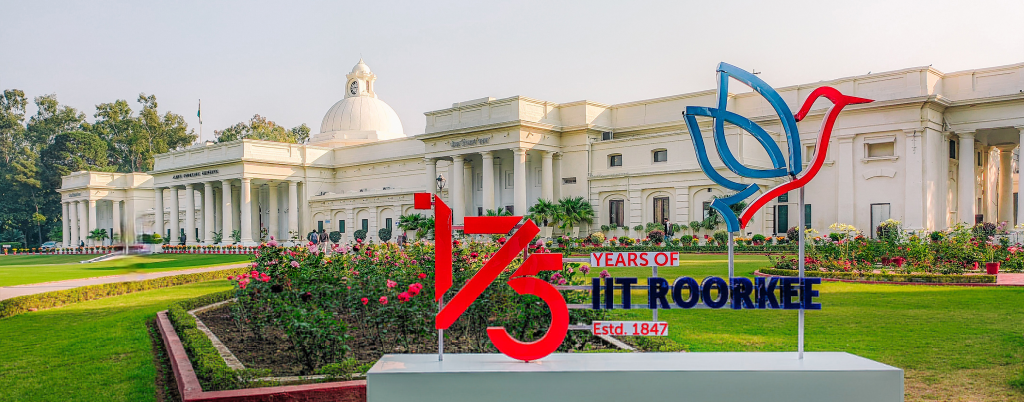
As a volunteer coordinator for THOMSO, the annual cultural fest at the Indian Institute of Technology, Roorkee, I undertook one of the most fulfilling and dynamic experiences of my academic life. Coordinating over 30 events at the Multi-Activity Center (MAC) Venue during the fest presented a range of opportunities for growth and learning. THOMSO is one of IIT Roorkee’s most anticipated events, drawing participants from all over the country to showcase their talents, creativity, and enthusiasm. My role required me to take charge of various aspects of event management, from logistical planning to on-ground coordination. It was both a challenge and a privilege to ensure that every event ran smoothly, creating memorable experiences for attendees and participants alike.
The planning process for THOMSO was extensive, beginning weeks before the actual festival dates. My responsibilities included scheduling events at the MAC Venue, coordinating with event managers, and ensuring that all logistical elements were in place for each competition, performance, or showcase. Planning a packed schedule with over 30 events required careful consideration, as I needed to balance the timings and requirements of different events while accommodating the specific needs of each. My role was to ensure that each event had its own unique spotlight without any overlap or delays. This involved close collaboration with event leads, technical teams, and volunteers to create a cohesive plan that everyone could follow.
One of the most challenging aspects of coordinating multiple events was managing the diverse nature of the programs. The MAC Venue hosted a wide range of activities, from dance and music performances to art installations, theatrical plays, and workshops. Each type of event had its own requirements in terms of setup, equipment, and audience engagement. For instance, a dance competition required ample floor space, proper lighting, and high-quality sound systems, while a workshop or lecture needed seating arrangements, microphones, and projectors. The variety of events demanded that I understand each one’s unique needs and make sure the required resources were available and functional. This experience enhanced my ability to multitask, as I was often overseeing several different aspects of event logistics at the same time.
Effective communication was essential in ensuring that every event went off without a hitch. I served as the main point of contact between the event organizers, participants, and technical support teams, facilitating the smooth flow of information. It was crucial to keep everyone updated on any last-minute changes, delays, or requirements. To manage this effectively, I utilized various communication tools and set up a streamlined information-sharing system among volunteers and event leads. This experience taught me the importance of clarity, timeliness, and patience in communication, as each team had its own expectations and preferred ways of working. My role as a coordinator was to align these different expectations and ensure that everyone was working towards the same goals.
In addition to planning and communication, troubleshooting and problem-solving were critical aspects of my role. With so many events taking place consecutively, unexpected issues were inevitable. Technical difficulties, scheduling conflicts, and participant-related challenges required quick thinking and adaptability. One memorable instance was during a high-energy dance competition where we experienced sudden sound system issues just before the performance. To address this, I quickly coordinated with the technical team to resolve the issue, minimizing the delay and ensuring that the competition continued seamlessly. This situation underscored the importance of staying calm under pressure and reinforced my ability to manage stressful situations effectively. It also taught me that being prepared for contingencies is as important as the initial planning, especially in dynamic environments like THOMSO.
An essential part of my role involved working with a team of volunteers who were crucial to the success of the fest. With over 30 events to manage, it was impossible to oversee every detail single-handedly, so I relied on the support of a dedicated volunteer team. Each volunteer had a specific role, from assisting with setup and registrations to handling technical equipment and helping with crowd management. Leading this team required not only organizational skills but also the ability to inspire and motivate. I held regular briefings to ensure everyone understood their responsibilities and encouraged open communication, allowing team members to voice any concerns or ideas they had. Building a rapport with the volunteers helped create a positive and collaborative atmosphere, which was vital for the successful execution of the fest.
Managing audience expectations and crowd control was another significant aspect of coordinating events at the MAC Venue. With hundreds of attendees at THOMSO, it was essential to ensure their safety and comfort while creating an engaging and enjoyable experience. The MAC Venue, being one of the primary spots for high-energy performances, often attracted large crowds. I worked closely with security teams to implement crowd management strategies, such as designated entry and exit points, seating arrangements, and movement guidelines. Additionally, I collaborated with the publicity team to provide clear schedules and directions, helping attendees easily find and enjoy the events they were interested in. This experience taught me valuable lessons in crowd dynamics and how to manage large groups in a way that prioritizes safety and enjoyment.
In the midst of the logistical demands, I also had the opportunity to immerse myself in the creative energy that is unique to THOMSO. Each event brought a different atmosphere and set of personalities, and it was inspiring to see participants passionately sharing their talents and skills. Coordinating a creative festival required flexibility and a willingness to adapt to the spontaneous energy of the participants. I learned to appreciate the nuances of each event, whether it was the precision required for a musical performance or the dynamic flow of a theater act. This exposure broadened my perspective, helping me understand the importance of creativity, cultural expression, and collaboration.
Beyond the events themselves, my experience coordinating THOMSO had a lasting impact on my personal growth. Handling the responsibilities of overseeing multiple events gave me a sense of accomplishment and confidence in my leadership abilities. I discovered strengths I hadn’t known I had, such as the ability to remain calm under pressure, think critically in real time, and foster teamwork among diverse groups. The success of THOMSO was not just about the execution of events but about creating memories, experiences, and opportunities for everyone involved, from the participants and volunteers to the audience members. Knowing that I played a role in bringing people together and contributing to the festival’s vibrant atmosphere was deeply fulfilling.
Looking back, coordinating THOMSO at IIT Roorkee taught me lessons that extended far beyond event management. I gained insights into the value of planning, the importance of adaptability, and the power of teamwork. The role was demanding, but it allowed me to grow as an individual and as a leader. I am grateful for the chance to be part of an event that celebrates creativity, passion, and community. This experience has inspired me to continue seeking opportunities where I can contribute to projects that bring people together, foster creativity, and create lasting memories.
 Scholar's path: Atul Pandey's academic portfolio